


On March 26, the China–Korea Science and Technology Innovation Cooperation Forum—held as a parallel session of the 2026 Zhongguancun Forum—took place at the Zhongguancun International Innovation Center. Song Tao, Founder and CEO of Atomrobot, was invited to join the roundtable dialogue alongside leading experts, scholars, and industry leaders from both countries to discuss the opportunities and challenges of embodied intelligence.
As a robotics company deeply rooted in industrial applications, Atomrobot shared frontline insights from years of practical experience in high-speed motion control and precision assembly, offering an industry-based perspective on how embodied intelligence can be implemented in real manufacturing environments.
This forum served as a high-level dialogue platform supported by the science and technology authorities of both countries under the strategic guidance of their national leaders. Lin Xin, Member of the Party Leadership Group and Vice Minister of China’s Ministry of Science and Technology; Kim Jin-dong, Economic Minister at the Embassy of Korea in China; and Yan Ying, Vice Chairwoman of the Beijing Municipal Committee of the CPPCC and Chairwoman of the Beijing Federation of Industry and Commerce, delivered opening remarks. The forum focused on embodied intelligence as a frontier field, aiming to bring together top intellectual resources from both countries to explore technological innovation, industrial collaboration, and future cooperation pathways.
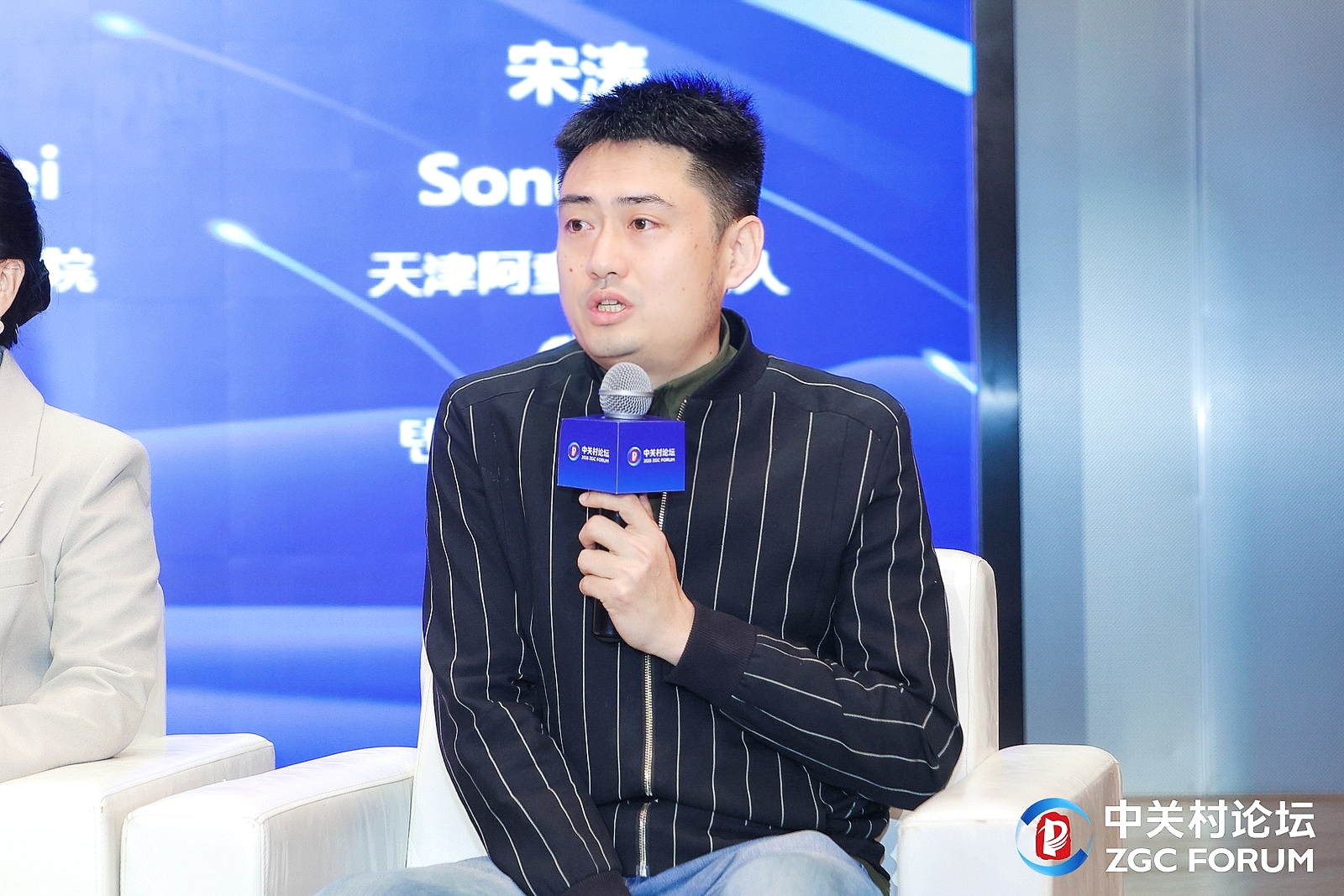
Grounded in Industrial Scenarios: Practical Observations on Embodied Intelligence
During the roundtable discussion, Song Tao drew on Atomrobot’s applications across the food, pharmaceutical, and daily chemical industries to share insights into the industrialization path of embodied intelligence technologies. He emphasized that China’s abundance of real industrial scenarios provides a crucial foundation for iterative robotics development. From high-speed sorting to flexible assembly, accumulated process know-how and real-time data feedback from production environments are key drivers enabling robots to evolve from automation to intelligence.
Atomrobot has long specialized in high-speed industrial robotics and developed proprietary expertise in high-speed motion control. Song also introduced the company’s latest humanoid robot product, Tianbing No.1, launched in 2025 as the world’s first parallel-structured embodied intelligent humanoid robot, which has since undergone iterative upgrades.
Designed for industrial-grade applications, Tianbing No.1 features 7-DOF bionic dual arms and a parallel waist structure, with a single-arm payload capacity of 12.5 kg. It is capable of handling complex tasks in automotive component assembly, 3C product inspection, and precision assembly in university laboratories. The robot has already been deployed in multiple universities for practical application. Its development represents a natural extension of Atomrobot’s accumulated expertise in high-speed motion control and force sensing into the field of embodied intelligence.
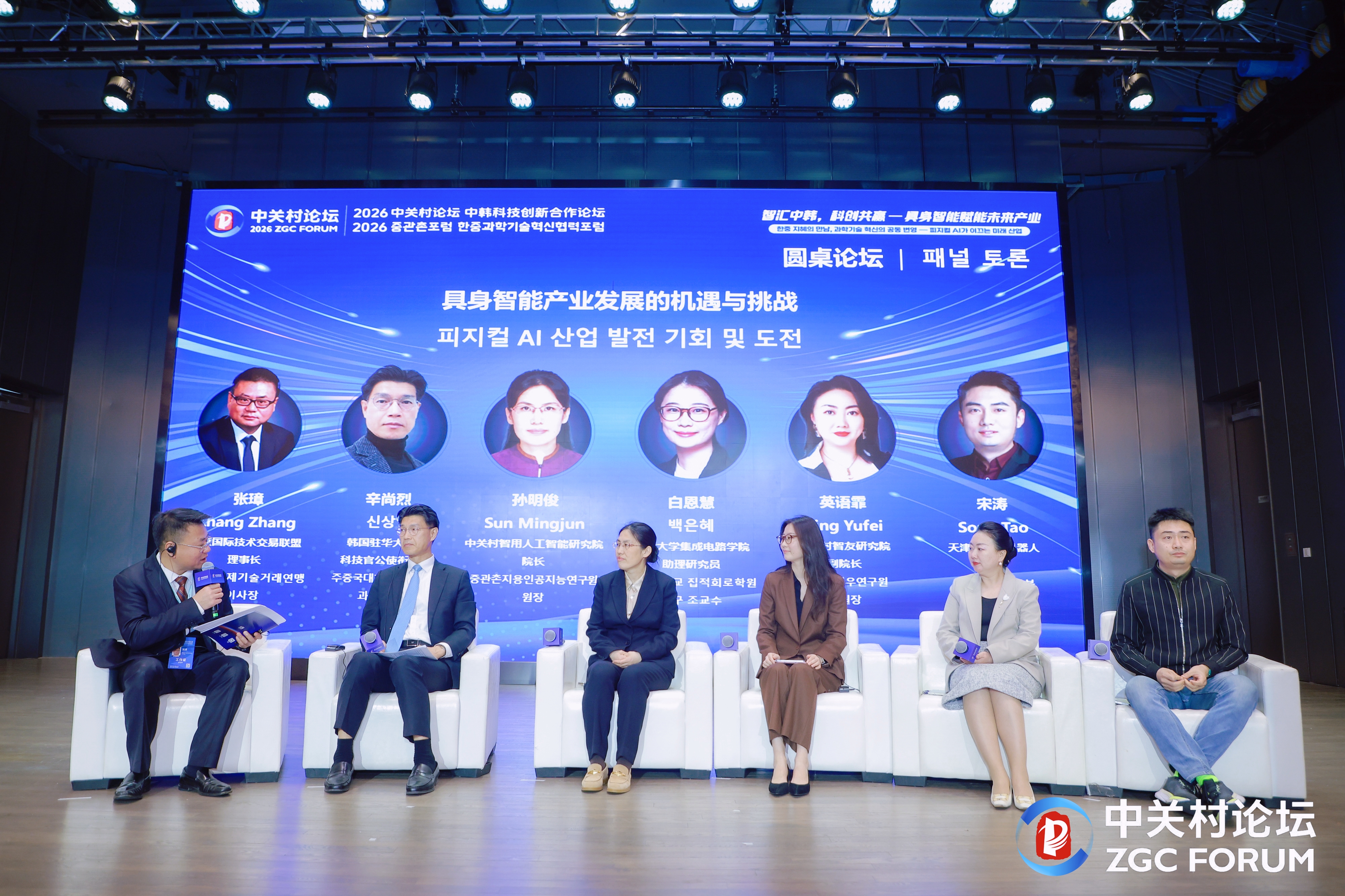
Complementary Strengths Between China and Korea: Opportunities for Industrial Chain Synergy
Atomrobot’s industrial robots have already been delivered in batches to the Korean market, establishing stable partnerships with multiple Korean enterprises. Building on this foundation, Song Tao expressed strong expectations for deeper collaboration in embodied intelligence between the two countries.
Responding to Korean guests’ remarks on precision manufacturing, Song shared application cases of Tianbing No.1 in university laboratory assembly scenarios. He noted that Korea has deep expertise in precision control and core components, while China offers strong manufacturing capacity, abundant application scenarios, and engineering integration capabilities. The complementary strengths create significant potential for collaboration.
He suggested that companies from both countries could begin with specific application scenarios and explore cooperation around core components and process optimization. In particular, he proposed a collaborative model of “Korean core components + Chinese system integration + global market applications” to enhance industrial competitiveness. While Tianbing No.1’s core components have already been localized, Atomrobot looks forward to technical exchanges with Korean partners in precision control and high-performance sensors.
Shin Sang-yeol, Science and Technology Counselor at the Korean Embassy in China, also noted during the forum that embodied intelligence in Korea is primarily applied in shipbuilding, automotive, and precision manufacturing—fields that overlap significantly with Atomrobot’s industrial focus, providing tangible space for future cooperation.
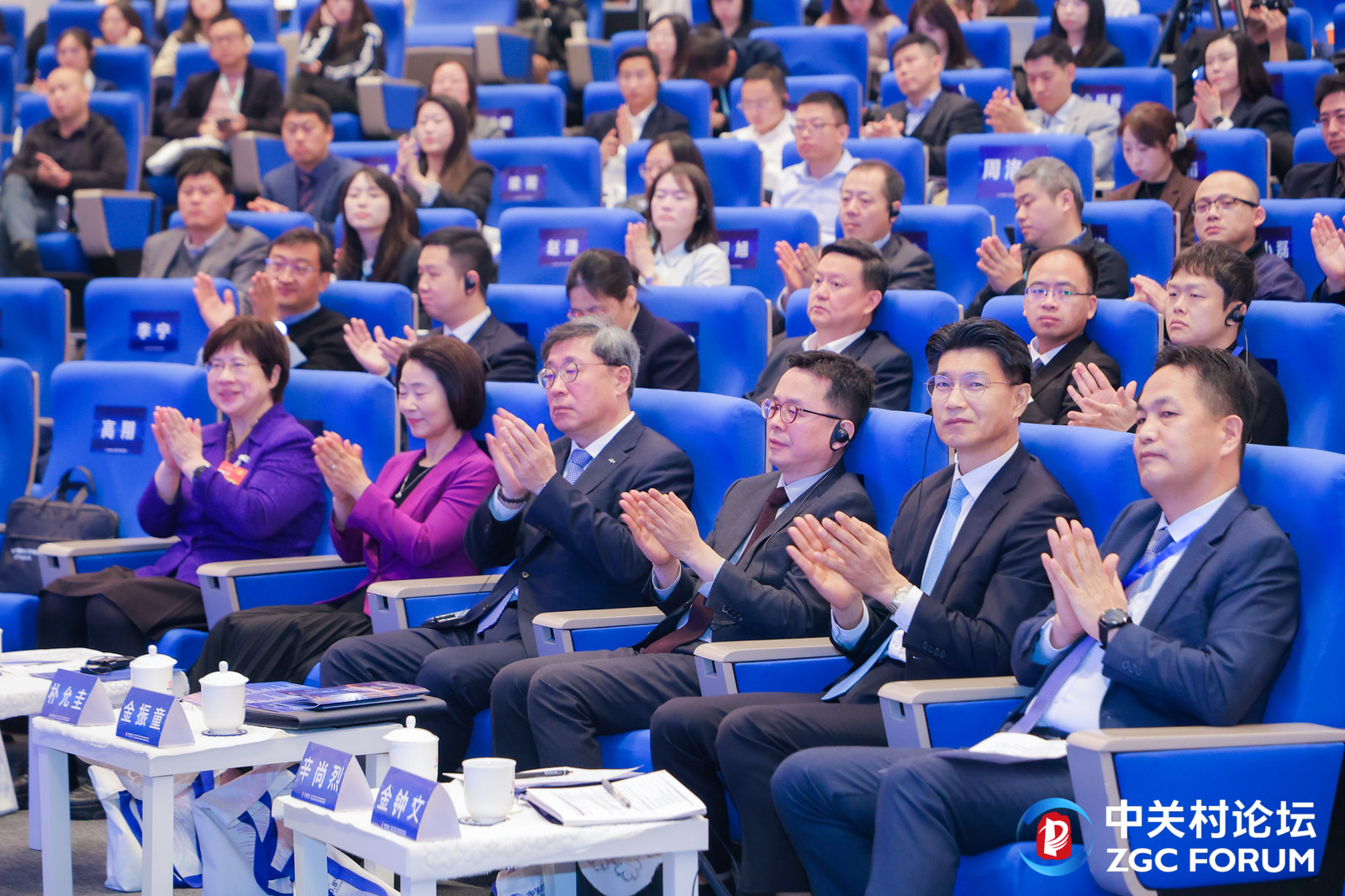
Integrating into the Innovation Ecosystem: A New Starting Point for Collaboration
During the forum, the Korea Innovation Center China (KIC China) signed memoranda of understanding with the China Science and Technology Exchange Center and the Zhongguancun Zhiyou Research Institute. At the same time, the 8th “Entrepreneurship Qilu · Win-Win Future” High-Level Talent Entrepreneurship Competition (Korea Division) was launched. These institutional outcomes signal that China–Korea scientific and technological cooperation is moving toward deeper ecosystem-level collaboration.
Song Tao stated that Atomrobot looks forward to leveraging such platforms to further integrate into the China–Korea innovation ecosystem. The company will continue to explore opportunities for cooperation in technology exchange, scenario co-development, and supply chain collaboration.
As summarized by the roundtable moderator, China and Korea are not only important partners in embodied intelligence but also an “innovation community” that enables mutual achievement. Atomrobot will continue to deepen its roots in industrial scenarios, building on its expertise in parallel robotics, and expand into embodied intelligence to contribute practical, frontline experience to bilateral industrial cooperation.